How Mayor-Elect Mamdani Can Improve Worker Safety in NYC
Updated on:
Published on:
December 9, 2025
Mamdani’s election marks a significant moment for New York City, creating a rare opportunity to re-examine and strengthen worker safety across all sectors. Political transitions often open the door for new priorities, updated regulations, and stronger enforcement of existing protections.
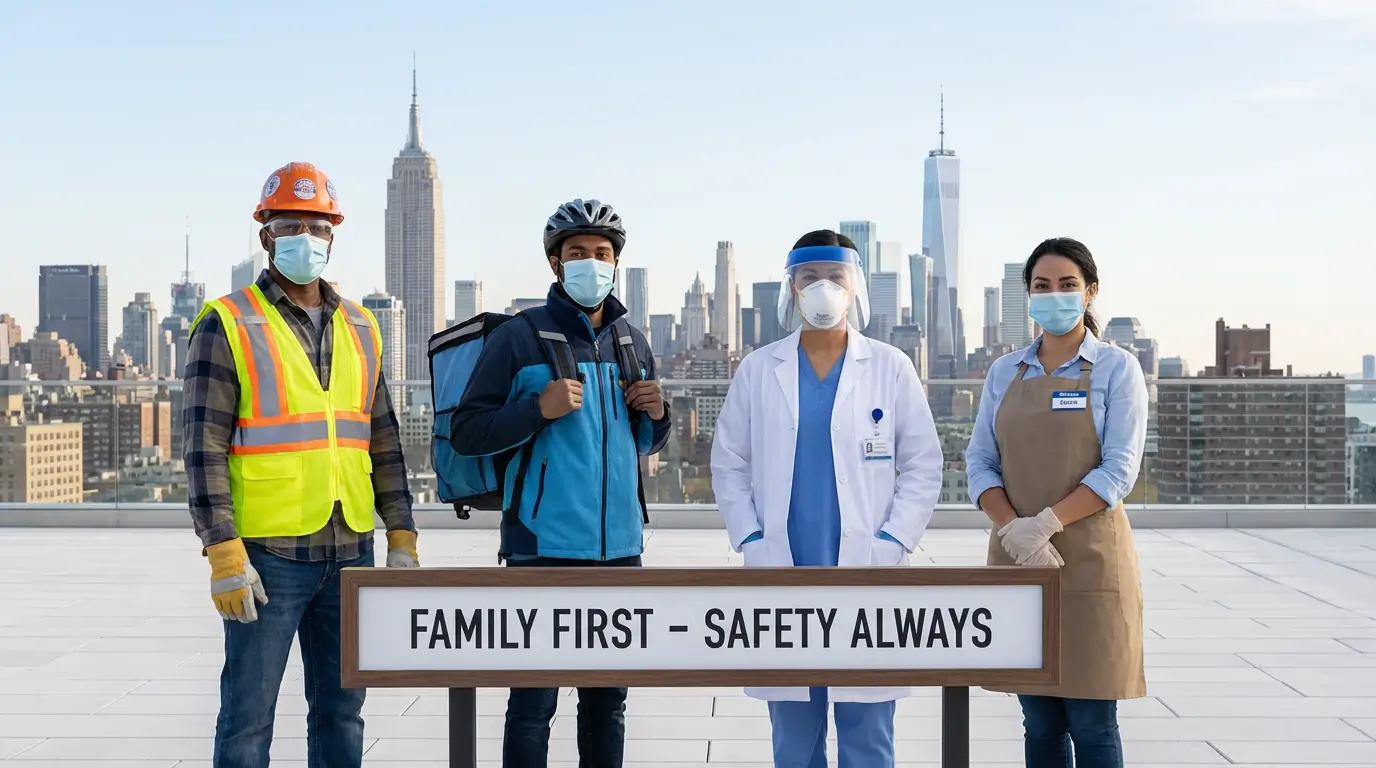
New York’s workforce is highly diverse, spanning construction, delivery services, healthcare, retail, hospitality, and the rapidly growing gig economy, each with its own unique risks and safety challenges. With the right policies, this change in leadership can bring renewed focus on worker wellbeing, safer working conditions, and stronger accountability for employers.
There is also potential for improved coordination between city agencies to reinforce workplace protections more effectively. Ultimately, this moment presents a chance to build a safer, fairer environment for the millions of people who keep New York running every day.
What Mamdani’s Platform Signals for Worker Rights & Safety
The election of Zohran Mamdani as New York City’s mayor brings renewed hope for stronger protections and reforms that benefit workers across the city. Throughout his campaign, Mamdani emphasized his commitment to labor rights, fair working conditions, and protections for gig-economy and app-based workers, promising to extend rights and regulatory coverage to many who have historically been left out.
Mamdani pledged to take meaningful action to support delivery drivers, rideshare workers, and other app-based laborers, a significant segment of NYC’s workforce. He has backed stricter licensing and regulatory standards for gig platforms and called for infrastructure investments and protections for these workers under city law.
Beyond the gig economy, his platform also highlights stronger labor standards for all city-funded projects and public employment—meaning that contractors and agencies working on publicly funded jobs may face stricter safety and labor compliance under his administration.
Moreover, the broad support from major unions, including representation from 300 local unions under the New York City Central Labor Council (NYC CLC), AFL-CIO, signals widespread confidence in his pro-worker agenda. These unions expect him to uphold workers’ rights, protect union organizing efforts, and ensure fair wages and working conditions city-wide.
Taken together, these commitments suggest that Mamdani’s administration could become a turning point for New York, one where labor rights, worker safety, and fair employment practices move closer to the center of city policy.
Strengthening Enforcement and Inspections: Closing Safety Gaps
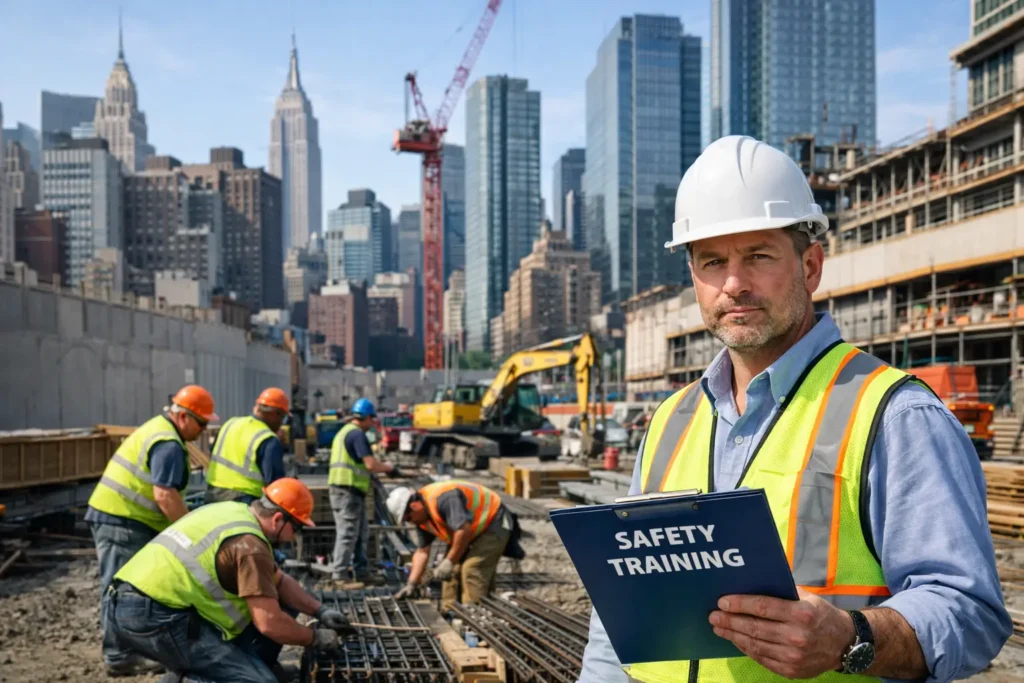
One of the key areas where Mayor‑Elect Mamdani can improve worker safety is by strengthening enforcement and inspections across New York City. By increasing resources and staffing for city and state agencies, including the Department of Buildings, the Department of Labor, and construction oversight units, the administration can detect safety violations before they lead to accidents or injuries.
High-risk sectors such as construction sites, warehouses, delivery services, and retail outlets should be prioritized for more frequent inspections. Regular audits and on-site evaluations, combined with stricter penalties for violations, can discourage negligence and encourage proactive safety practices among employers.
Additionally, the new administration has the opportunity to ensure that small and informal employers comply with safety standards. While large corporations are often under regulatory scrutiny, smaller firms and gig-based businesses can sometimes operate with fewer checks, creating gaps in workplace protection. Expanding oversight to cover all employers will help reduce preventable injuries and promote a culture of safety throughout the city.
Extending Safety Protections to Gig, Delivery & Service Workers
Gig, delivery, and service workers make up a significant portion of New York City’s workforce, yet many currently lack traditional safety coverage or consistent protections. Mayor‑Elect Mamdani can prioritize extending workplace safety regulations to these sectors, ensuring that app-based and contract workers receive appropriate safety gear, hazard awareness training, and fair working conditions under city law.
Mandating safety training during onboarding is crucial, particularly for jobs with inherent risks such as heavy lifting, navigating traffic, or working in inclement weather. These programs can educate workers on proper lifting techniques, road safety, personal protective equipment usage, and emergency procedures.
Additionally, policies promoting fair scheduling, adequate rest breaks, and safe commuting practices can reduce worker fatigue, which is a major contributor to accidents. By implementing these measures, the administration can enhance protection for a workforce that often operates without the same oversight as traditional employees, helping to prevent injuries and promote safer, more sustainable working conditions across the city.
Promoting Preventive Health & Safety Programs
Mayor-Elect Mamdani’s administration can strengthen worker safety by promoting preventive health and safety programs citywide. This includes supporting subsidized or city-sponsored training programs covering OSHA-standard safety courses, hazard awareness, and first-aid or emergency response. Employers, particularly contractors on city-funded projects, should be required to provide proper personal protective equipment (PPE) and ensure adherence to safe work practices at all times. Additionally, offering multilingual safety training can protect New York’s diverse workforce, including immigrant employees and those with limited English proficiency, ensuring that all workers understand safety protocols and can act confidently in hazardous situations.
General Safety Tips for NYC Workers: What You Can Do Right Now
New York City workers face diverse workplace risks, from construction sites to delivery routes and retail environments. Staying proactive is essential for personal safety. Always use appropriate personal protective equipment (PPE) for your tasks, report unsafe conditions immediately, and know your rights under local and federal safety regulations.
Prioritizing mental health and maintaining a manageable work schedule can reduce fatigue, which is a leading cause of workplace accidents. Take breaks when needed and communicate with supervisors about workload concerns.
Safe commuting is equally important, whether using public transit, bikes, or vehicles. Check that vehicles are well-maintained, follow traffic rules, and use designated bike or pedestrian lanes whenever possible. Extra caution is needed during the winter months or adverse weather conditions.
Finally, take advantage of available training programs and educational resources. Safety awareness is the first line of defense, and learning proper procedures can prevent injuries and ensure you’re prepared for any hazards on the job.
Conclusion
Mayor-Elect Mamdani’s focus on worker protections presents a key opportunity to improve safety across New York City’s diverse industries. While new policies and enforcement measures will take effect, workers can take immediate action by staying aware of hazards, using PPE, following safe commuting practices, and participating in training programs. Combining proactive personal safety habits with the city’s strengthened oversight can help create safer, healthier workplaces for all NYC employees.
Related Posts

How to Prepare for an OSHA Inspection Guide

Top 10 NY Construction Safety Trends for 2026